
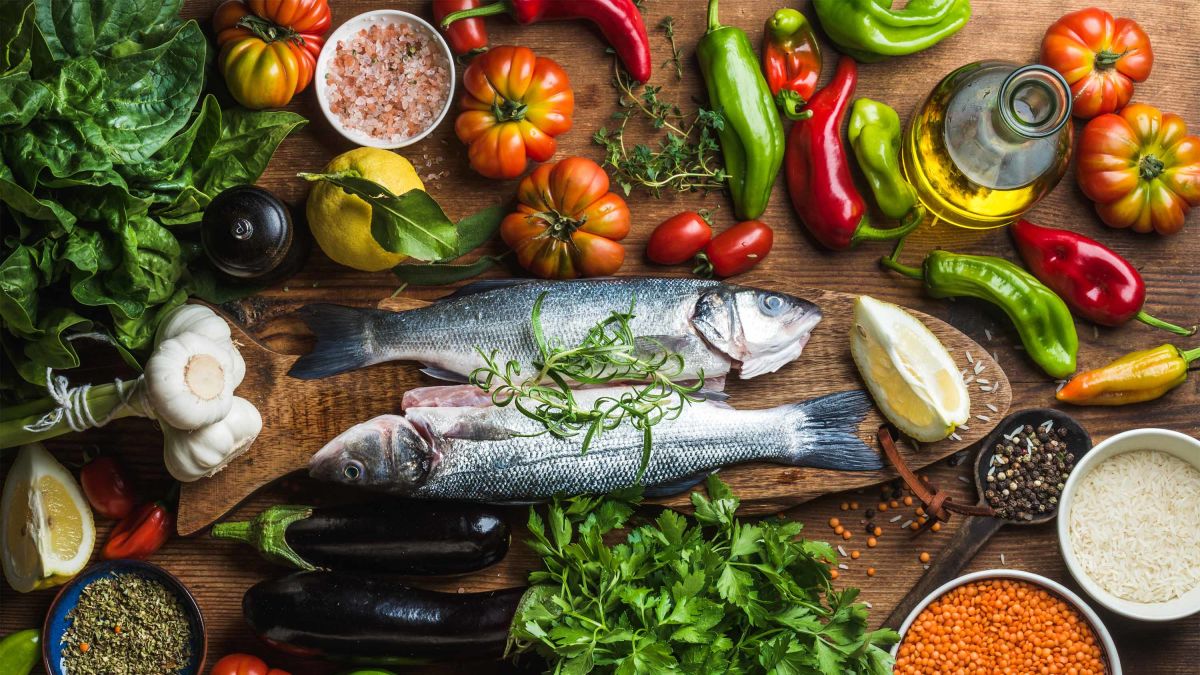
Inflammation is a natural process that occurs in response to injury, infection, or tissue damage. It is characterized by redness, swelling, warmth, pain, and sometimes loss of function in the affected area. While acute inflammation is a normal and necessary part of the healing process, chronic inflammation can contribute to the development of many diseases, including heart disease, diabetes, cancer, and Alzheimer's disease.
The foods you eat can have a significant impact on inflammation in your body. A diet high in processed and refined foods, sugary drinks, and unhealthy fats can promote inflammation, while a diet rich in whole, plant-based foods, healthy fats, and anti-inflammatory spices can help reduce inflammation.
There are several reasons why someone who works from home might choose to follow an anti-inflammatory diet. Here are a few possible explanations:
1. Reduced physical activity: Working from home often involves prolonged sitting or sedentary behavior, which can contribute to a more sedentary lifestyle. Lack of physical activity can increase the risk of inflammation in the body. Following an anti-inflammatory diet can help counteract this by promoting overall health and reducing inflammation.
2. Increased stress levels: Working from home can sometimes lead to increased stress levels due to factors such as managing multiple responsibilities, lack of separation between work and personal life, or feelings of isolation. Chronic stress can trigger inflammation in the body. An anti-inflammatory diet, which includes foods rich in antioxidants and essential nutrients, can help support the body's stress response and reduce inflammation.
3. Poor dietary choices: When working from home, individuals may have easy access to snacks and convenience foods, which are often high in unhealthy fats, sugars, and processed ingredients. These types of foods can promote inflammation in the body. Opting for an anti-inflammatory diet can encourage healthier food choices, such as fruits, vegetables, whole grains, and lean proteins, which can help reduce inflammation and support overall well-being.
4. Improved immune function: A strong immune system is important for overall health, especially during times when exposure to germs and pathogens may be increased. Chronic inflammation can weaken the immune system, making individuals more susceptible to illnesses and infections. By following an anti-inflammatory diet, which focuses on nutrient-dense foods, individuals can support their immune system and potentially reduce the risk of inflammation-related health issues.
5. Enhanced cognitive function: Working from home often requires sustained mental focus and concentration. Chronic inflammation has been linked to cognitive decline and impaired brain function. By following an anti-inflammatory diet, which includes foods rich in omega-3 fatty acids, antioxidants, and other brain-healthy nutrients, individuals may support their cognitive function, memory, and overall brain health.
Here are some tips for selecting the right foods to help with inflammation:
1. Eat more fruits and vegetables. These foods are rich in antioxidants and other anti-inflammatory compounds that can help reduce inflammation.
2. Choose whole grains over refined grains. Whole grains are higher in fiber and other nutrients that can help reduce inflammation.
3. Avoid processed and fried foods. These foods are often high in unhealthy fats and other inflammatory ingredients.
4. Include healthy fats in your diet. Omega-3 fatty acids, found in fatty fish like salmon, as well as nuts and seeds, can help reduce inflammation.
5. Use anti-inflammatory spices. Turmeric, ginger, garlic, and cinnamon are all spices that have been shown to have anti-inflammatory properties.
Overall, choosing a diet that is rich in whole, plant-based foods, healthy fats, and anti-inflammatory spices can help reduce inflammation in the body and promote better overall health.
When signing up for one of our meal plans, you will be give the option of choosing a customizable plan (where you can alter the contents of the meal plan) or a static plan. You can try out the first week for free in either plan using the promo code FreeTrial7 (for new accounts only). After the free trial period, the static plan is $9.00 USD per month and the customizable plan is $19.00 USD per month. You can cancel your plan at any time.
With the customizable plan, you will be able to change meals around to suit your needs. There are also additional features to help you plan your meals for the week. Please watch the video here to see some of the features.
You will note that the meal plans do not give a full week’s worth of meals. That is because of several factors. For one, it gives you flexibility to eat other foods on days that don’t have meals added to them. In addition, with the customizable plan, you are able to add meals to that days that do not have any listed, so that you can create a plan that best suits your individual needs.
With each customizable meal plan you will be able to get the following:
Nutrication is proud to coordinate these meal planning services using LivingPlate Rx software.