
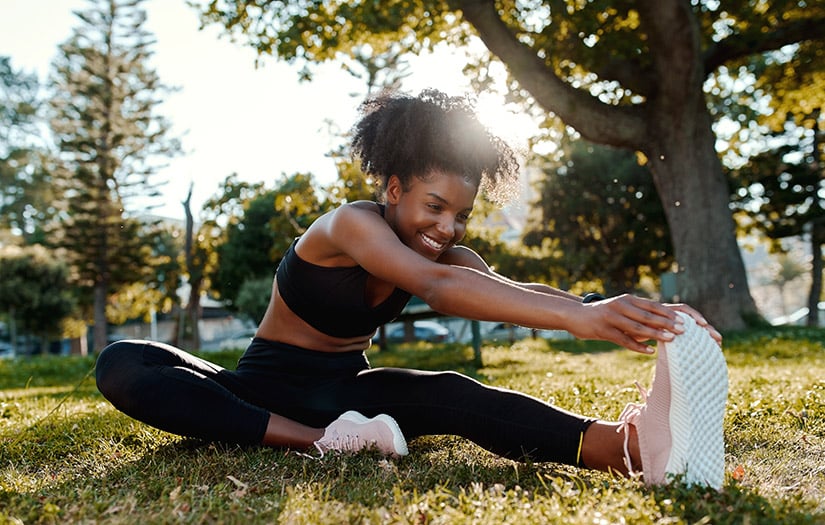
Picture this: you wake up in the morning, stretch your arms above your head, and feel the satisfying pull as your body awakens. It's a simple, instinctive movement that instantly sets the tone for the day. But have you ever wondered why that stretch feels so good? Turns out, your body isn't just embracing a moment of comfort – it's unlocking a cascade of health benefits that ripple through your muscles, joints, and even your mind. In this article, we're diving into the science behind stretching and how these seemingly effortless movements hold the key to a healthier, more vibrant you. So, if you're ready to unravel the secrets of flexibility and discover the untapped potential of your body, let's embark on a journey of stretch-induced wellness!
Health Benefits
Regular stretching can offer several health benefits by enhancing flexibility, improving joint range of motion, and aiding in relaxation. Scientific research has demonstrated the positive effects of stretching on various aspects of health. Here are some key points:
1. Flexibility Improvement:
Regular stretching can significantly improve flexibility by increasing the length of muscles and tendons, which in turn enhances the range of motion around joints. This can lead to improved functional performance and reduced risk of injuries. A study by Witvrouw et al. (2003) found that a 12-week static stretching program led to increased hamstring flexibility in young adults.
2. Joint Health:
Stretching helps maintain the elasticity and health of connective tissues, reducing the risk of joint stiffness and maintaining joint mobility. Regular stretching has been shown to help manage conditions like osteoarthritis and improve joint function. According to the American College of Sports Medicine (ACSM), stretching can help alleviate symptoms of joint-related disorders.
3. Blood Circulation:
Stretching exercises can stimulate blood flow to muscles and tissues, improving circulation. Increased blood flow delivers oxygen and nutrients to the muscles, aiding in post-exercise recovery and reducing muscle soreness. A study by Torres et al. (2013) suggested that static stretching can enhance blood flow to the stretched muscles.
4. Stress Reduction:
Stretching can have a calming effect on the body and mind, promoting relaxation and reducing stress. Mind-body practices like yoga incorporate stretching along with controlled breathing, which has been linked to reduced stress levels and improved mental well-being. A study by Cramer et al. (2016) highlighted the positive effects of yoga on stress reduction.
5. Posture Enhancement:
Stretching exercises can help improve posture by releasing tension in muscles that may become tight due to prolonged sitting or poor ergonomics. A study by Youdas et al. (2012) demonstrated that a stretching program targeting specific muscle groups can have a positive impact on forward head posture.
Stretching is easy to do and can be done at home!
Here are some examples of stretching exercises that you can do at home to improve flexibility, joint mobility, and overall health. Remember to warm up your body with some light movement before starting these stretches and to perform them in a controlled and comfortable manner. Hold each stretch for about 15-30 seconds and repeat on both sides if applicable. If you have any existing medical conditions or concerns, consult with a healthcare professional before attempting new exercises.
1. Hamstring Stretch:
•Sit on the floor with one leg extended straight and the other leg bent, foot placed against the inner thigh of the extended leg.
•Reach forward toward your toes while keeping your back straight and your toes flexed.
•You should feel a gentle stretch in the back of your thigh. Hold the stretch and then switch sides.
2. Quadriceps Stretch:
•Stand near a wall or hold onto a stable surface for balance.
•Bend one knee and grab your ankle or foot behind you with your hand.
•Gently pull your foot toward your buttocks, feeling a stretch in the front of your thigh. Keep your knees close together.
•Switch legs and repeat.
3. Chest Opener Stretch:
•Stand or sit up straight with your arms behind your back, interlocking your fingers.
•Gently lift your arms away from your back while squeezing your shoulder blades together.
•You'll feel a stretch across your chest and shoulders.
4. Child's Pose Stretch (Yoga):
•Start on your hands and knees with your wrists under your shoulders and knees under your hips.
•Sit back onto your heels, reaching your arms forward and lowering your chest toward the floor.
•This stretch helps release tension in your back and hips.
5. Hip Flexor Stretch:
•Kneel on one knee and place the other foot in front of you.
•Gently press your hips forward until you feel a stretch in the front of your hip and thigh.
•Keep your upper body upright and engage your core for stability.
•Switch sides and repeat.
6. Trunk Rotation Stretch:
•Lie on your back with your knees bent and feet flat on the floor.
•Gently lower your knees to one side while keeping your shoulders on the ground.
•You'll feel a stretch in your lower back and hips. Hold, then switch sides.
7. Neck Stretch:
•Sit or stand up straight.
•Tilt your head to one side, bringing your ear toward your shoulder.
•Use your hand to gently guide your head for a deeper stretch. Avoid forcing it.
•Switch sides and repeat.
8. Standing Calf Stretch:
•Stand facing a wall, placing your hands against it at shoulder height.
•Step one foot back, keeping it straight and your heel on the ground.
•Lean forward slightly to feel the stretch in your calf muscle.
•Switch legs and repeat.
Remember that consistency is key. Incorporating these stretching exercises into your daily routine can help improve flexibility, joint mobility, and overall well-being.
Incorporating regular stretching into your routine can offer a wide range of health benefits, as supported by scientific research. Remember that individual needs and conditions may vary, so it's important to consult with a healthcare professional before starting any new exercise program.
References
American College of Sports Medicine (ACSM). (2021). ACSM's Guidelines for Exercise Testing and Prescription (10th ed.). Wolters Kluwer.
Cramer, H., Lauche, R., Langhorst, J., & Dobos, G. (2016). Yoga for depression: A systematic review and meta-analysis. Depression and Anxiety, 33(9), 830-843.
Torres, R., Ribeiro, F., Alberto Duarte, J., & Cabri, J. M. (2013). Evidence of the physiotherapeutic interventions used currently after exercise-induced muscle damage: Systematic review and meta-analysis. Physical Therapy in Sport, 14(2), 98-105.
Youdas, J. W., & Carey, J. R. (2012). Use of a cluster of neck-stretching exercises to improve head posture and cervicothoracic flexibility. Journal of Orthopaedic & Sports Physical Therapy, 42(3), 203-214.
Witvrouw, E., Mahieu, N., Danneels, L., McNair, P. (2003). Stretching and injury prevention: an obscure relationship. Sports Medicine, 33(13), 931-936.